Winter nights can turn uncomfortable fast, but cranking up the heat may leave you with a shocking energy bill. So, what is the best temperature for the heater in winter if you want to stay warm without overspending? The answer depends on more than comfort alone.
Your thermostat setting can affect your sleep quality, monthly expenses, and even the lifespan of your heating system. In this guide, you’ll discover the best temperature for the heater in winter, including the ideal setting at night, the most cost-effective Fahrenheit range, and practical tips to save money while keeping your home cozy all season long.
Why 68°F Became the “Magic Number”
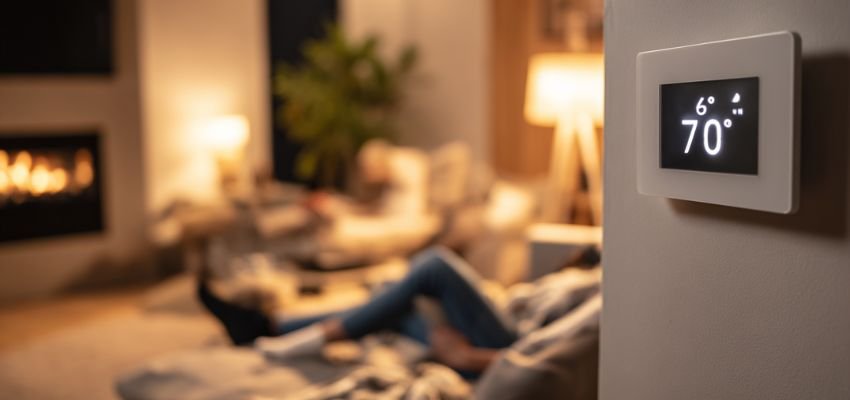
If you ask HVAC experts about the best temperature for a heater in winter, one number appears repeatedly: 68°F. It’s warm enough to keep most households comfortable without forcing your heating system to overwork.
The surprising part? Raising the thermostat by just a few degrees can noticeably increase your energy bill over time. For many families, 68°F creates the sweet spot between comfort and savings, especially during long winter months when heating costs quietly pile up.
It’s a small setting that can make a big difference financially.
The Best Temperature for the Heater in Winter at Night
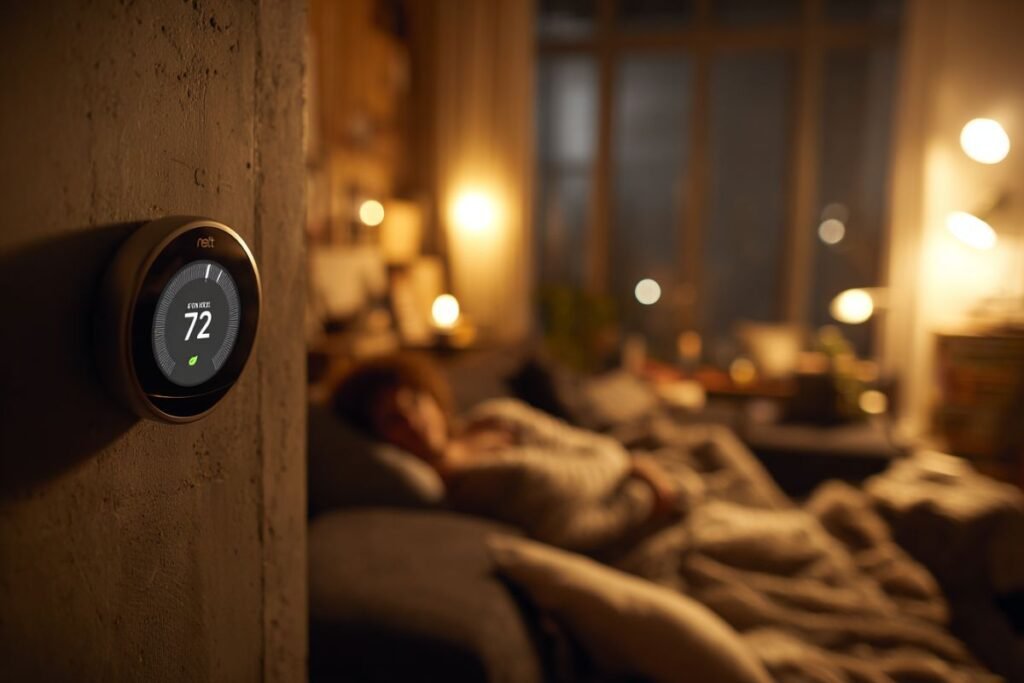
Sleeping in a slightly cooler room often improves sleep quality. That’s why many homeowners lower the thermostat to around 60–67°F before bed. Thick blankets and warm pajamas can do the rest. Instead of overheating your bedroom all night, let your body naturally adjust.
You may wake up feeling more rested while spending less on heating. It’s one of the easiest money-saving habits people overlook every winter. Your body naturally sleeps better in a cooler environment.
Are You Heating Empty Rooms for No Reason?
Many people unknowingly waste money heating rooms nobody uses. Guest rooms, storage spaces, and empty basements don’t always need the same warmth as living areas. Closing vents in unused spaces or lowering temperatures slightly can reduce unnecessary heating costs.
Think about it, why pay to keep an empty room cozy? Small adjustments throughout your home can make your heater far more efficient without sacrificing comfort where it matters most. This simple habit can lower your monthly utility bill faster than expected.
Thermostat Mistakes That Secretly Raise Bills
Some thermostat habits actually make your heater work harder. Common mistakes include:
- Constantly adjusting the temperature throughout the day
- Setting the heat too high to warm rooms faster
- Placing thermostats near sunlight or vents
- Ignoring dirty air filters
- Leaving drafts around doors and windows
These simple issues can quietly increase your heating expenses. Fixing them often costs nothing but can improve comfort almost immediately. Many homeowners waste energy without even realizing these mistakes exist.
Your thermostat setting can affect your sleep quality, monthly expenses, and even the lifespan of your heating system.

Need help with your AC?
Beach Front Air’s licensed technicians handle AC repair, maintenance, and new system installation across Pinellas and Hillsborough counties.
Best Temperature for Heater in Winter to Save Money
Want lower winter bills without freezing indoors? Keep your thermostat between 68°F and 70°F while awake and active. When leaving home or sleeping, lowering it by 7–10 degrees can reduce yearly heating costs.
Many people assume dramatic temperature changes damage heaters, but modern systems are designed to handle adjustments. Strategic thermostat settings help your heater run efficiently while keeping energy waste under control.
Smart temperature habits matter more than constantly blasting the heat.
Why Your House Still Feels Cold at 68°F
Ever wonder why your home feels chilly even when the thermostat says 68°F? The problem may not be the temperature at all. Poor insulation, air leaks, or dry indoor air can make warmth escape quickly.
Sometimes homeowners blame the heater when the real issue hides in drafty windows or aging ductwork. Before increasing the heat, check whether your home is actually holding the warm air you’re paying for. Even small gaps around doors can make rooms feel noticeably colder.
Smart Thermostats Change Everything
A smart thermostat can automatically adjust temperatures based on your schedule. Instead of remembering to change settings manually, the system learns your habits and reduces heating when you’re asleep or away.
Some models even let you control your home temperature from your phone. It feels futuristic, but the biggest benefit is practical like lower heating costs with less effort. Convenience and savings finally work together.
Many homeowners recover the cost of the device through energy savings over time.
What is the Best Temperature for a heater in Winter Fahrenheit?
For most households, the ideal winter thermostat setting falls between 68°F and 70°F during the day. At night, many experts recommend lowering it slightly for better sleep and improved efficiency. However, personal comfort matters too.
Elderly family members, babies, or people sensitive to cold may prefer warmer settings. The goal isn’t chasing one perfect number, it’s finding the balance between comfort, health, and affordability. Every home may need slightly different settings depending on lifestyle and climate.
The Hidden Role of Humidity in Winter Comfort
Dry winter air tricks your body into feeling colder than it actually is. That’s why some homes feel uncomfortable even at normal temperatures. Adding humidity through a humidifier can make indoor spaces feel warmer without increasing the heat.
It’s a simple change that may allow you to lower your thermostat while staying comfortable. Less dryness also helps with itchy skin, sore throats, and static electricity during winter. Proper humidity can improve overall indoor comfort surprisingly fast.

Stop Fighting Over the Thermostat
Every household seems to have one person who’s always cold and another who’s always too warm. Instead of thermostat battles, focus on layering clothing, using blankets, or heating specific rooms with space heaters when needed.
Compromise becomes easier when everyone understands how heating affects energy costs. Sometimes staying cozy isn’t about turning the temperature higher, it’s about using warmth more intelligently throughout your home.
A few practical adjustments can keep everyone more comfortable without overspending.
FAQs
What is the best temperature for the heater in winter to save money?
The best temperature for the heater in winter to save money is usually 68°F during the day. You can lower it a little at night or when nobody is home to save more energy.
Is 70 a good temperature for heat in the winter?
Yes, 70°F is a comfortable temperature for many people in winter. It keeps the house warm, but it may cost a little more than 68°F.
Is 77 a good temperature for heat in the winter?
No, 77°F is very warm for most homes during winter. It can make your energy bill much higher and may make it feel too hot indoors.
Is 72 a good temperature for heating in the winter to save money?
72°F can feel cozy, but it is not the best setting for saving money. Lowering the heat closer to 68°F can help reduce heating costs.
Why should people stop setting their thermostat to 72?
People may want to stop setting the thermostat to 72°F because it uses more energy. A lower setting can still feel warm while helping save money every month.
Final Thoughts
Finding the best temperature for the heater in winter can help your family stay warm and save money at the same time. Many people feel comfortable around 68°F during the day and a little cooler at night while sleeping.
Small changes like wearing warm clothes, closing curtains, and using a smart thermostat can also lower your energy bill. If your heater is not working well, it may need repairs or regular care. That is where Beach Front Air can help.
Our team offers trusted HVAC services, repairs, maintenance, and new system installation to keep your home cozy, safe, and comfortable all winter long.

About The Author
Julie Fortuna is a writer for Beach Front Air, a family-owned HVAC contractor serving Pinellas and Hillsborough counties. She works with the company’s licensed technicians to create practical guides on AC maintenance.